Colour analysis, explained
A wardrobe full of clothes, and still nothing to wear?
Almost everyone knows it: the shirt that looked perfect in the shop, the knit in the most beautiful colour on the rail. At home in front of the mirror, it suddenly doesn't work. It's usually not the cut, and it's not you. It's the colour. Colour analysis shows which colours belong to you, so you doubt less, buy fewer mistakes and everything in your wardrobe goes together.
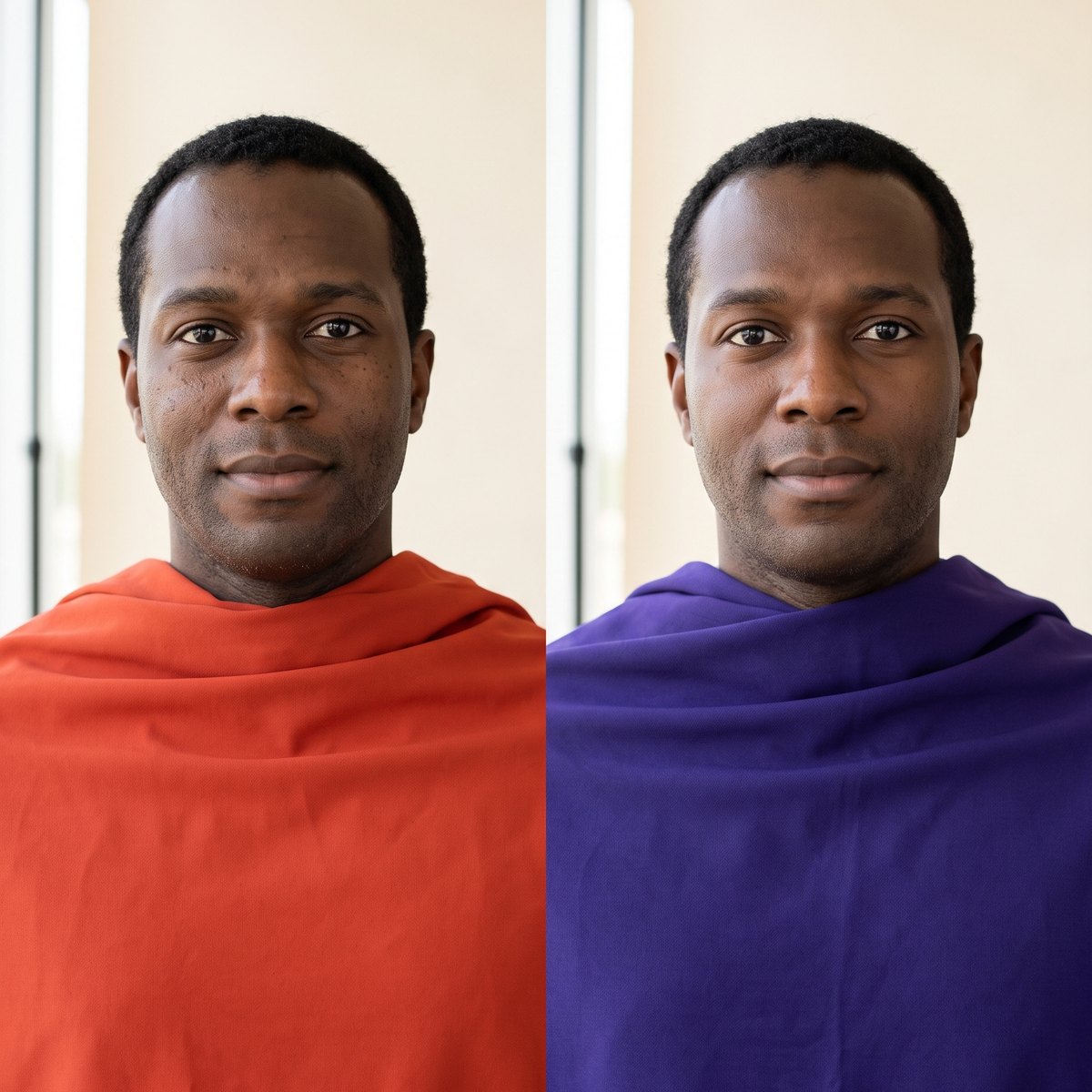
The problem: buying what you never wear
In a shop you look at the garment. At home you look at yourself. That difference is exactly where it goes wrong. Shop lighting is warm and flattering, product photos are edited, and a colour that is gorgeous on a hanger can turn grey, harsh or flat next to your skin. You know the result: returns, pieces with the price tag still on, and every morning the feeling that you have nothing to wear.
The answer isn't buying more, but choosing better. If you know which colours suit your own colouring, you can decide in seconds: this, not that. Less doubt in the fitting room, and a wardrobe that is smaller and more useful.

What is colour analysis?
Colour analysis (also called seasonal colour analysis or colour advice) is a way to find the colours that are in harmony with the natural colours of your skin, hair and eyes. A colour that suits you makes your skin look even and your eyes clear. A colour that doesn't emphasises shadows, redness or tiredness, and pulls attention away from your face.
Traditionally this is done with coloured drapes under your chin, in daylight, with a colour consultant. That still works well, but it takes time and money. That's why you can find your colour profile online with us first, for free, and then choose a style guide, a colour card or personal colour advice.
The three scales: undertone, depth and clarity
Your colour type isn't a box but a point on three scales. Together they decide which colours suit you best.
Cool (pink and blue beneath the skin) or warm (gold and peach). Cool looks best with silver, icy white and blue-red; warm with gold, cream and tomato red. Your undertone doesn't change with a tan.
How light or dark your hair, eyes and skin are together. Light: light and medium tones. Deep: dark, rich colours; pastels fade away.
How clear your eyes and the contrast in your face are. Clear: pure, bright colours and contrast. Soft: muted, slightly greyed shades that look calm.
Because they are scales, you can also see when you sit between two types. Your palette then blends both. No more three different results from three different tests.
The 4 seasons and 12 colour types
The best-known way to describe colour types is with seasons. Each season has three variants, so there are twelve colour types. You don't need to learn them by heart; it does help to understand why certain colours suit you.
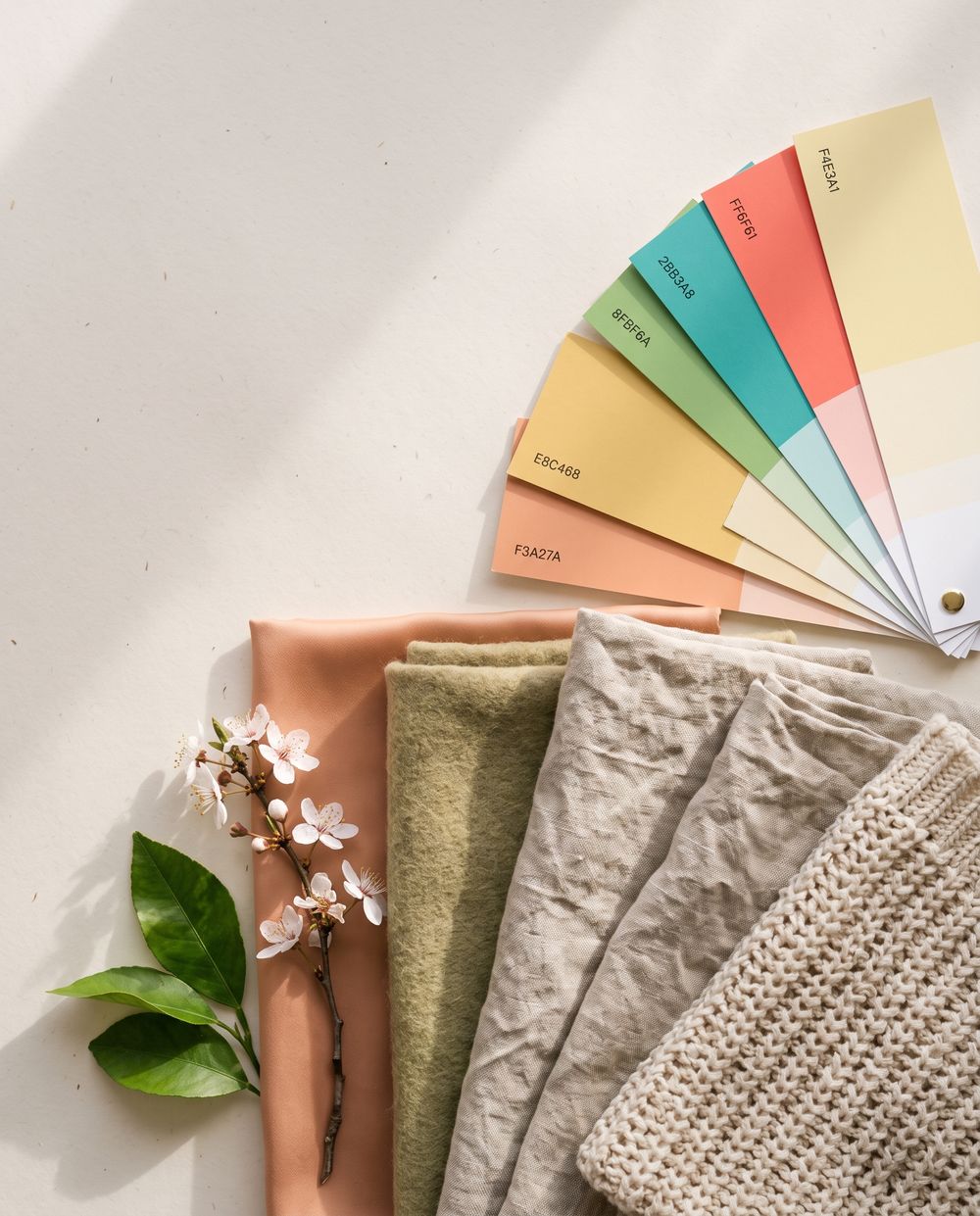
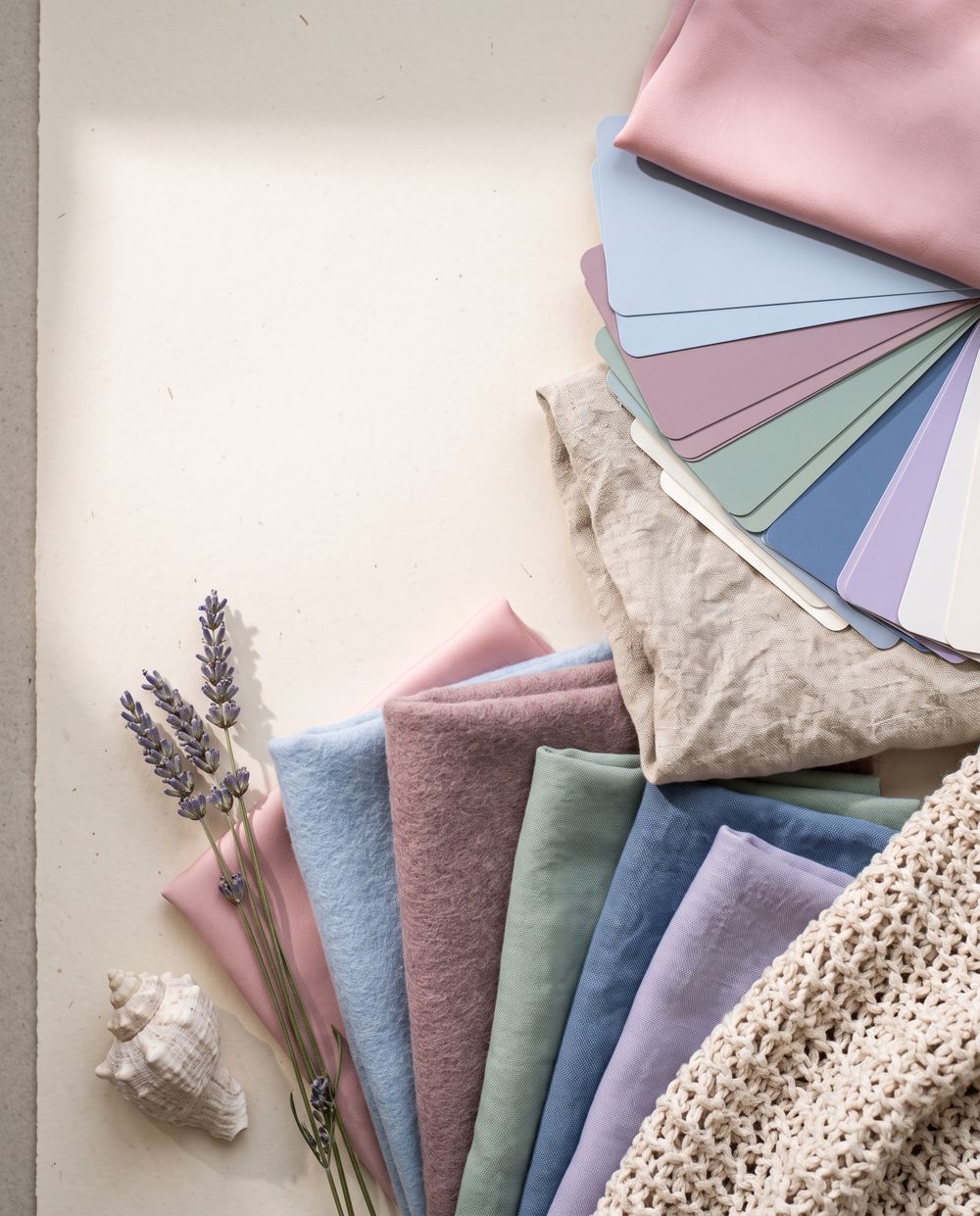
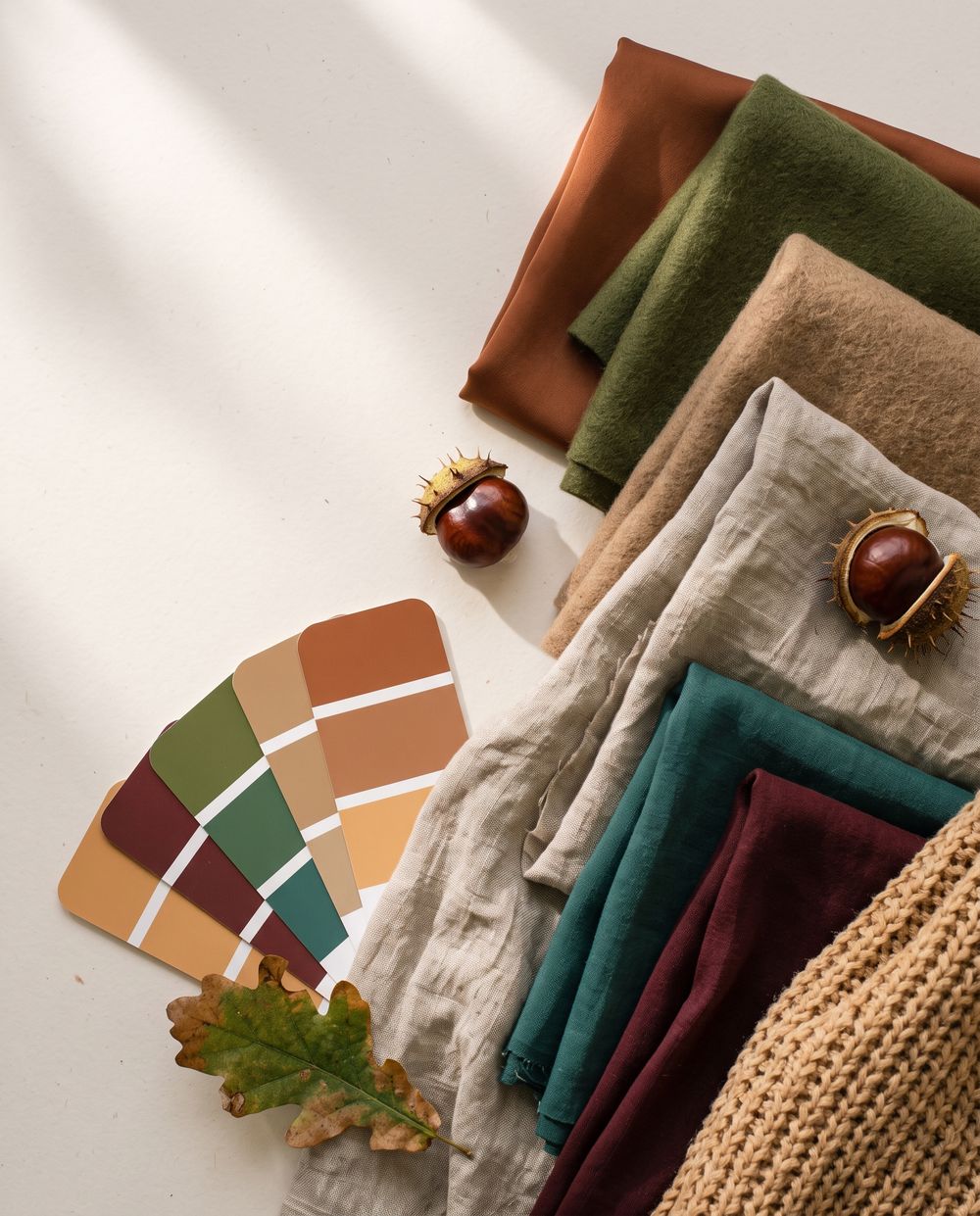
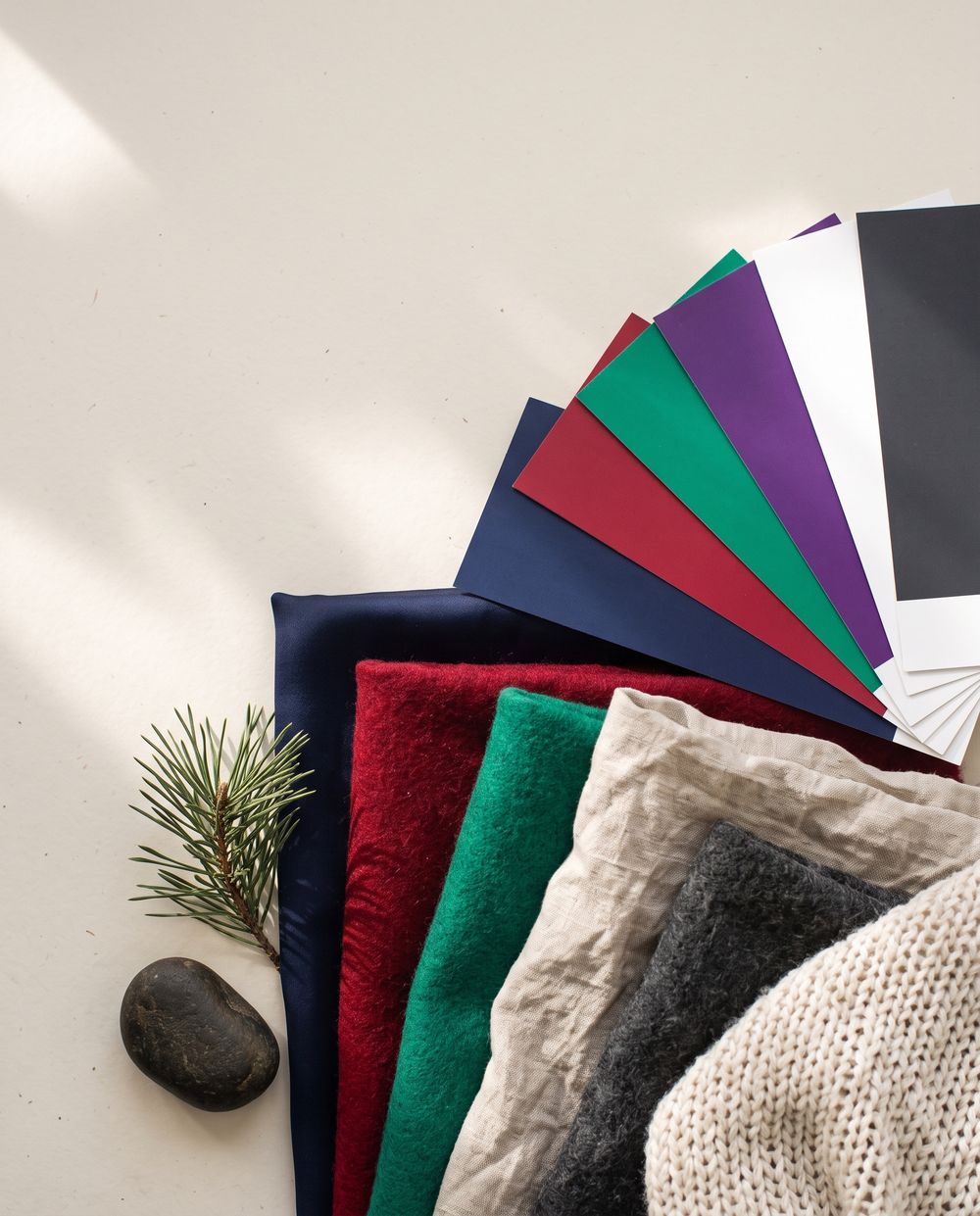
Discover your own colours. Free, with one selfie.
Colour advice for men
For men, colour is mostly about the pieces you wear most: your shirts, knitwear and your jacket. Close to your face, the right colour makes the difference between fresh and tired, and between a strong first impression and a flat one. The rest of your outfit (trousers, shoes, belt) can be quieter, as long as it goes together.
- Your base: navy, anthracite, espresso or olive, depending on your type. Everything builds on it.
- Your white: pure white doesn't suit everyone. Many men look fresher in off-white or cream.
- Your leather and metal: silver or gold for your watch, and one leather colour for belt and shoes.
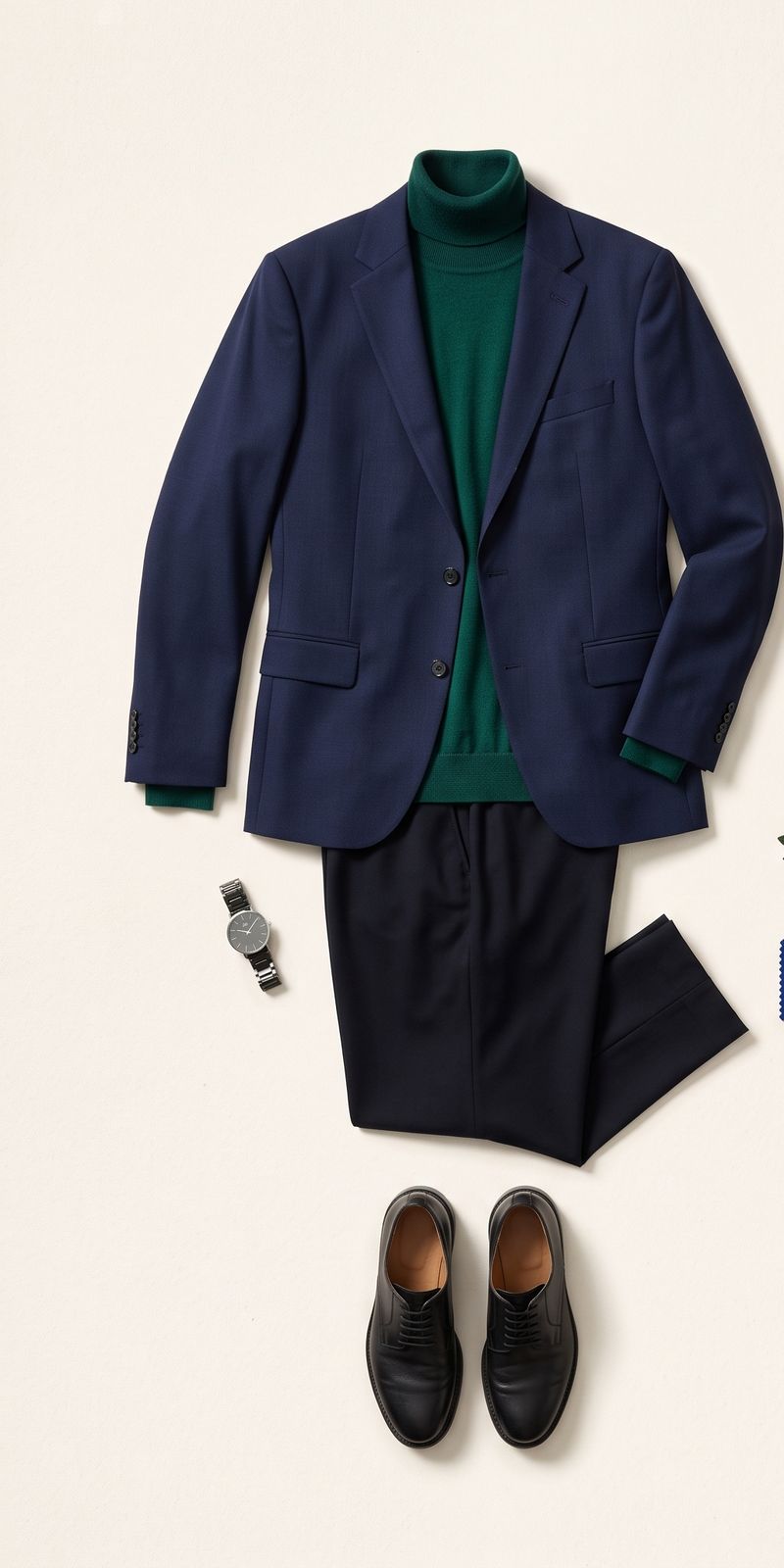
KULØRT is our brand for men: short, practical and focused on what you wear every day.
Colour advice for women
For women, colour plays a part in more places: clothes, but also jewellery, make-up, hair colour and accessories. A palette brings calm: your lipstick, your scarf and your blazer strengthen each other instead of clashing. And you see faster which pieces to leave on the rack.
- Your colours near your face: blouse, top, scarf. This is where the biggest effect is.
- Make-up and jewellery: lips, blush and eyeshadow in shades that match your undertone; gold, silver or rose gold.
- Your wardrobe: what doesn't suit you can often still go below the waist: as trousers, a skirt or shoes.
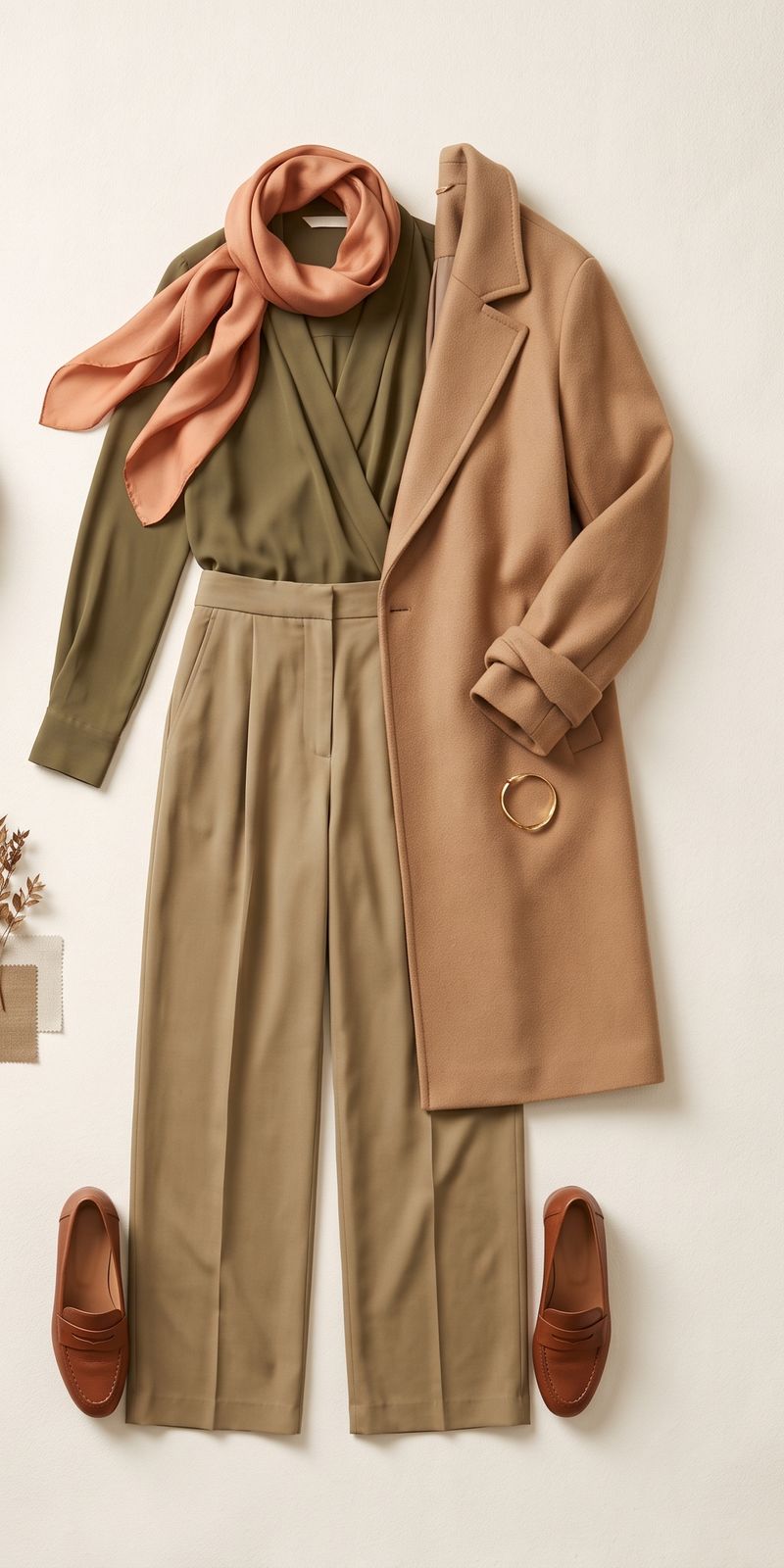
NYANSE is our brand for women, with colour advice for clothes, jewellery and make-up.
How our colour check works
- Choose where you want to look good: work, weekend, date or party.
- Take a selfie in daylight: no filter and no make-up. The analysis runs on your own phone; your photo is never stored.
- Check our reading: is that your skin, eye and hair colour, or one tint lighter or darker? Your answer sharpens the result.
- See your colour profile: your place on the three scales, your colour type and your best colours. Free.
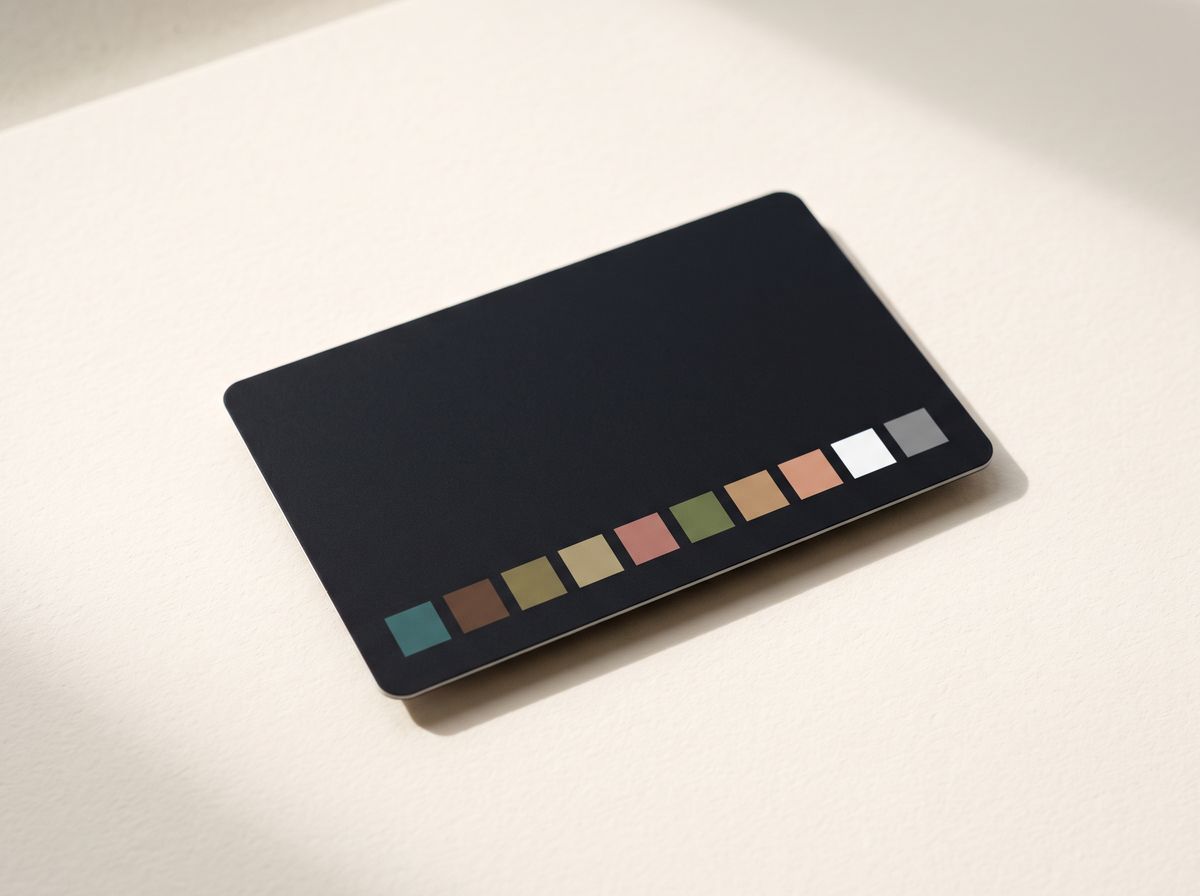
- Choose your style guide: all 30 of your colours, combinations per occasion, your basics (white, dark, denim), your first five buys, a wardrobe check and the colours for watch, jewellery and make-up.
Want to be sure? Choose personal colour advice: a colour consultant looks at your photos and sends you a personal video, without an appointment and within 3 working days. Handy if you're torn between two types.
Test yourself: three quick checks
No time for a check? These three questions get you a long way. Do them in daylight, without make-up.
- Gold or silver? Hold a gold and a silver piece of jewellery next to your face. Which makes your skin look more even? Gold points to warm, silver to cool.
- White or cream? Hold a pure white and a cream piece under your chin. If cream looks softer and fresher, you're probably warm or soft.
- Black or navy? Does black make your face look harsh and tired, while navy or dark brown looks calmer? Then your contrast is probably not high enough for black.
These checks give a direction, not a result. The colour check combines them with your depth and clarity into one profile.
Frequently asked questions
What is colour analysis?
Colour analysis finds the colours that harmonise with the natural colours of your skin, hair and eyes. Colours that suit you make your face look calm and clear; colours that don't pull attention away from your face.
Which colour type am I?
That depends on three things: your undertone (cool or warm), your depth (light or dark) and your clarity (soft or clear). Together they set your season, for example Soft Summer or Deep Autumn. The free colour check shows you in a few minutes.
How do I know if my undertone is warm or cool?
Look in daylight: if silver suits you better than gold, and icy white better than cream, your undertone is usually cool. The other way round, it is usually warm. Your undertone doesn't change with a tan. Our check measures it on your own photo.
What are the 12 seasons?
The four seasons (Spring, Summer, Autumn, Winter) are each split into three types, for example Light Spring, Warm Spring and Bright Spring. That makes 12 colour types. We also show exactly where you sit on the three scales, because many people sit between two types.
Is colour analysis for men too?
Yes. For men it's mostly about the basics you wear every day: shirt, knit, jacket, and the colour of your watch, belt and shoes. That's why KULØRT is made for men and NYANSE for women.
How reliable is colour analysis from a selfie?
Light and cameras affect colour. That's why we give tips for the photo (daylight, no filter, no make-up), ask for a new selfie if the photo isn't good enough, and let you check our reading of your skin, eyes and hair yourself. Still unsure? Pick your own colour type, or choose personal colour advice: a colour consultant then looks at your photos.
What does it cost?
Your colour profile is free. Your personal style guide costs €12.99, with a physical colour card €39.99, and personal colour advice from a colour consultant (on video, no appointment) €110.
What happens to my photo?
The analysis runs on your own phone. Your photo is not sent to us and is never stored. More in our privacy statement.
Discover your own colours. Free, with one selfie.